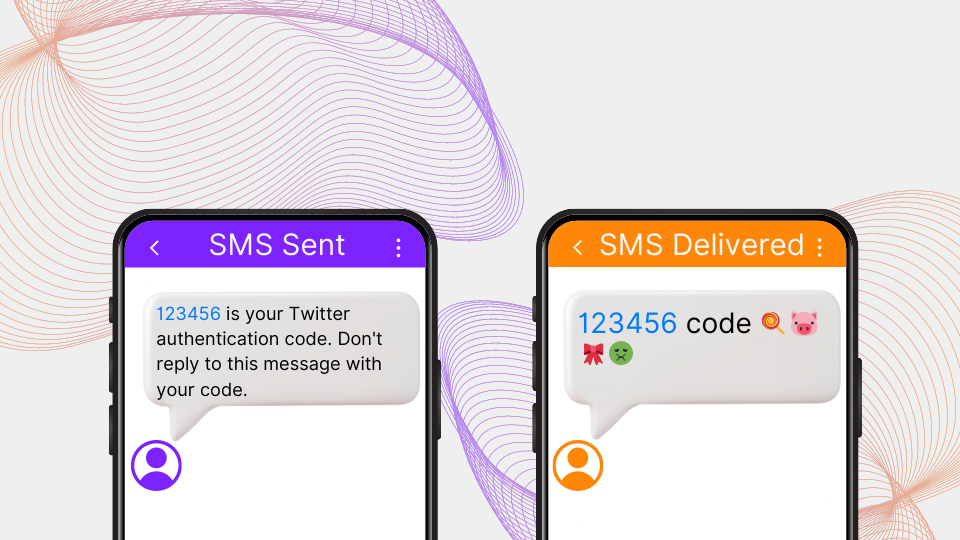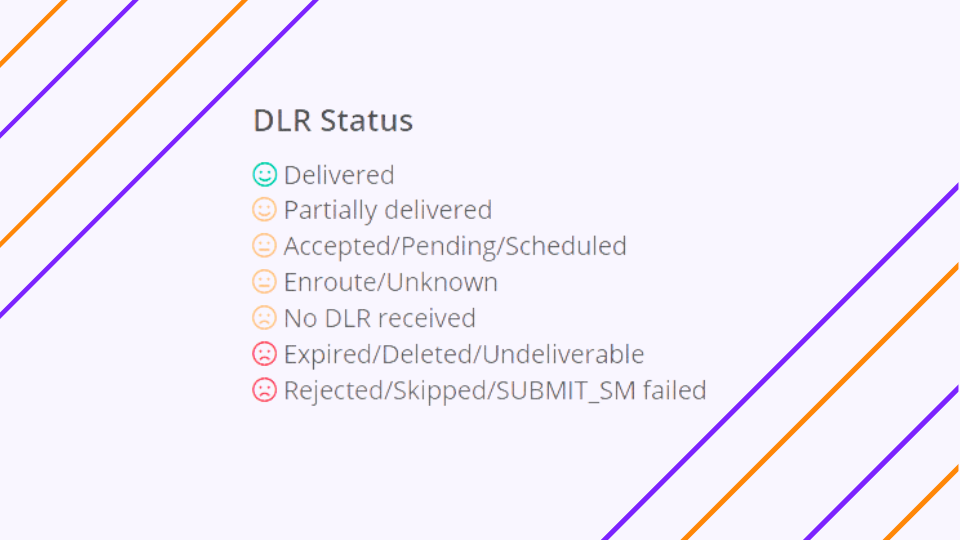
TL;DR: Testing OTP SMS delivery across multiple countries requires real SIM cards on real local networks in each market, not a test message to your own phone. Your vendor's delivery reports confirm what their system reported, not what the recipient's handset received. TelQ tests OTP delivery across 180+ countries using physical handsets to verify what actually arrives.
Last quarter your checkout completion rate in Brazil dropped 14%, and the only variable that changed was the SMS route your provider switched to in March. You opened a ticket. They pulled the delivery reports and confirmed: messages were delivered, 98% across the board. The data looked clean. But your support team in São Paulo kept hearing the same thing from customers — the OTP never arrived. Indonesia had the same story. India too.
This is the gap most fintech companies processing digital payments eventually discover. The delivery report says one thing. The customer's phone says another. And if you're operating across 30 countries, you have no way to know which markets are actually working unless you test from inside each one.
Why your vendor's delivery reports don't tell the whole story
When your provider sends an OTP on your behalf, the message passes through a chain of systems before it reaches the recipient's phone. At each handoff, a system can generate a delivery report (called a DLR in telecom) and pass it back up the chain as confirmation.
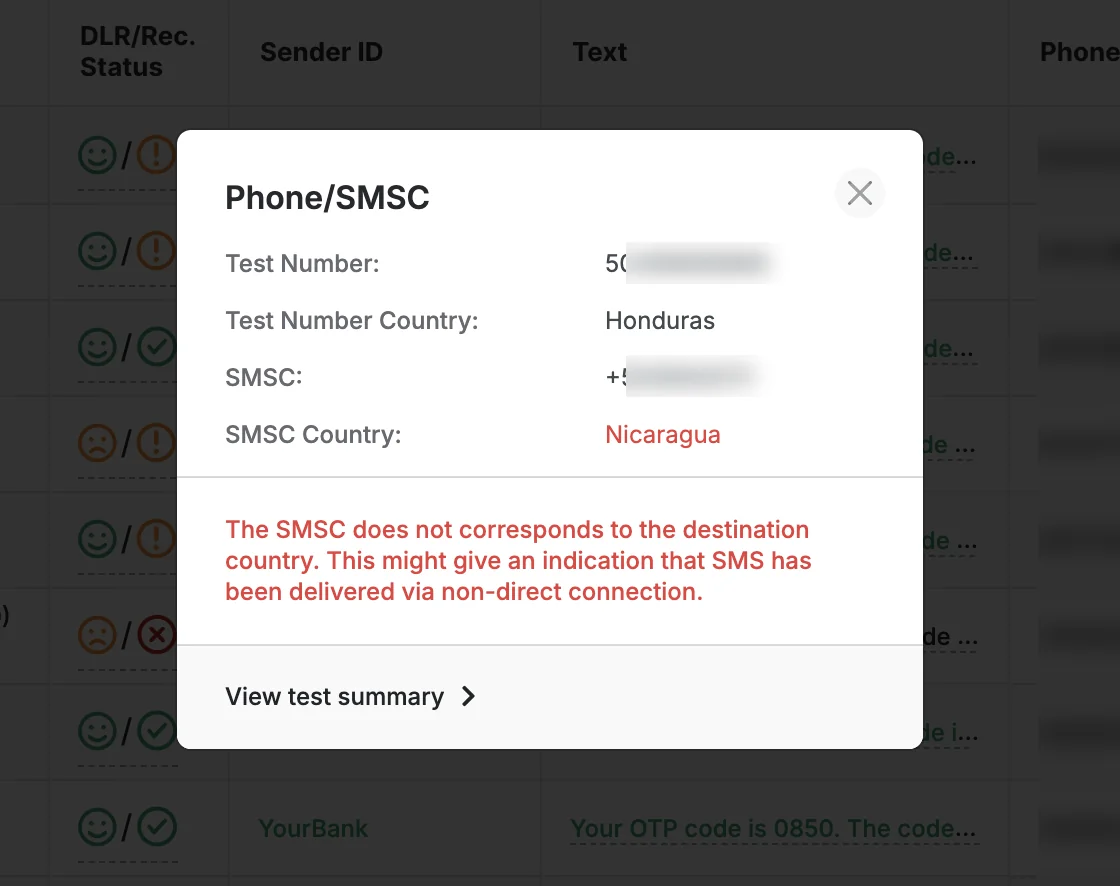
The DLR your dashboard shows typically comes from a system called an SMSC (Short Message Service Centre), which is the server that handles message routing at the carrier level. The problem: that confirmation often means "message accepted by the carrier's system," not "message delivered to the handset." The distinction matters.
A delivery report that says "delivered" might mean the carrier's infrastructure received the message. It doesn't always mean the recipient saw it. In some cases, the confirmation is generated before the message reaches the destination network at all. In others, the carrier accepted the message but filtering rules blocked it from reaching the handset. In the worst cases, a vendor generates a success confirmation for a message that was never even attempted, a practice the telecom industry calls a fake DLR.
For a fintech company, the cost of each undelivered OTP is concrete: an abandoned checkout, a failed login, a customer who calls support or switches to a competitor. When your vendor reports 98% delivery and your actual conversion data tells a different story, the DLR is the wrong metric. Handset receipt is the right one.
What real OTP delivery testing looks like
Sending a test OTP to your own phone in San Francisco and watching it arrive in four seconds tells you one thing: SMS delivery works on your carrier, in your country, to your device. It tells you nothing about what happens when the same message is sent to a Telkomsel subscriber in Jakarta, or a Jio user in Mumbai, or someone on Claro in Sao Paulo.
Each country has its own carrier infrastructure, its own sender ID registration rules, its own content filtering policies, and its own throughput patterns. An OTP that arrives reliably in the US might get filtered in India because the sender ID isn't registered with TRAI. The same message might arrive in Brazil but with the sender ID stripped, so the customer sees a random number instead of your brand name. In Indonesia, a carrier might throttle international traffic during peak hours, adding 45 seconds of latency to a code that expires in 60.
None of this shows up in your vendor's delivery reports. The DLR doesn't record sender ID changes. It doesn't measure real latency to the handset. It doesn't tell you whether the content was modified in transit.
Testing OTP delivery means checking what actually arrived at a real phone, on a real local network, in the actual country your customers are in. There is no shortcut that replaces this.
How to test OTP delivery across 30+ countries
The practical requirements for meaningful multi-country OTP testing:
You need a real SIM card on a real mobile network in each market you want to test. Not an emulator. Not a virtual number. A physical handset with a local SIM, connected to the local carrier infrastructure, receiving the message the same way your customer would.
You need test numbers that aren't treated differently from normal traffic. Carriers and vendors sometimes detect known test numbers and route them through cleaner paths, a practice called whitelisting. If your test number gets special treatment, your test results reflect a version of the route your real customers will never see. The test numbers need to rotate frequently enough that they can't be identified and flagged.
You need to test through your actual production route. Sending a test through a different path than your real OTP traffic tells you about that other path, not about the one your customers depend on. The test message should travel through the same vendor, the same route configuration, the same sender ID your production OTPs use.
And you need to do this on a schedule, not once. Routes change. Carriers update filtering rules. Vendors switch underlying suppliers without notifying you. A route that worked last month can degrade this month with no change on your end. Continuous monitoring catches degradation as it develops, not after checkout completions have already dropped.
Building this infrastructure across 30+ countries isn't most fintech companies' core business.
TelQ operates this infrastructure across 180+ countries and 1,500+ networks. Real SIM cards on physical handsets, with test numbers rotated to prevent whitelisting, and a scheduler that runs automated tests at intervals you configure. Since 2016, TelQ's platform has processed over 100 million delivery tests using this approach. Juniper Research projects SMS fraud losses at $71 billion in 2026, and unverified delivery reporting is part of that number.
"The TelQ platform allows us to easily identify which SMS have been successfully delivered, whether we have received a false DLR, and if there are any changes to the sender id or content of the SMS." — Connor C., TelQ customer
For a broader look at how SMS delivery testing works as a methodology, the SMS testing guide covers the full workflow.
What to measure (and what the numbers mean)
Four data points matter for OTP delivery across markets.
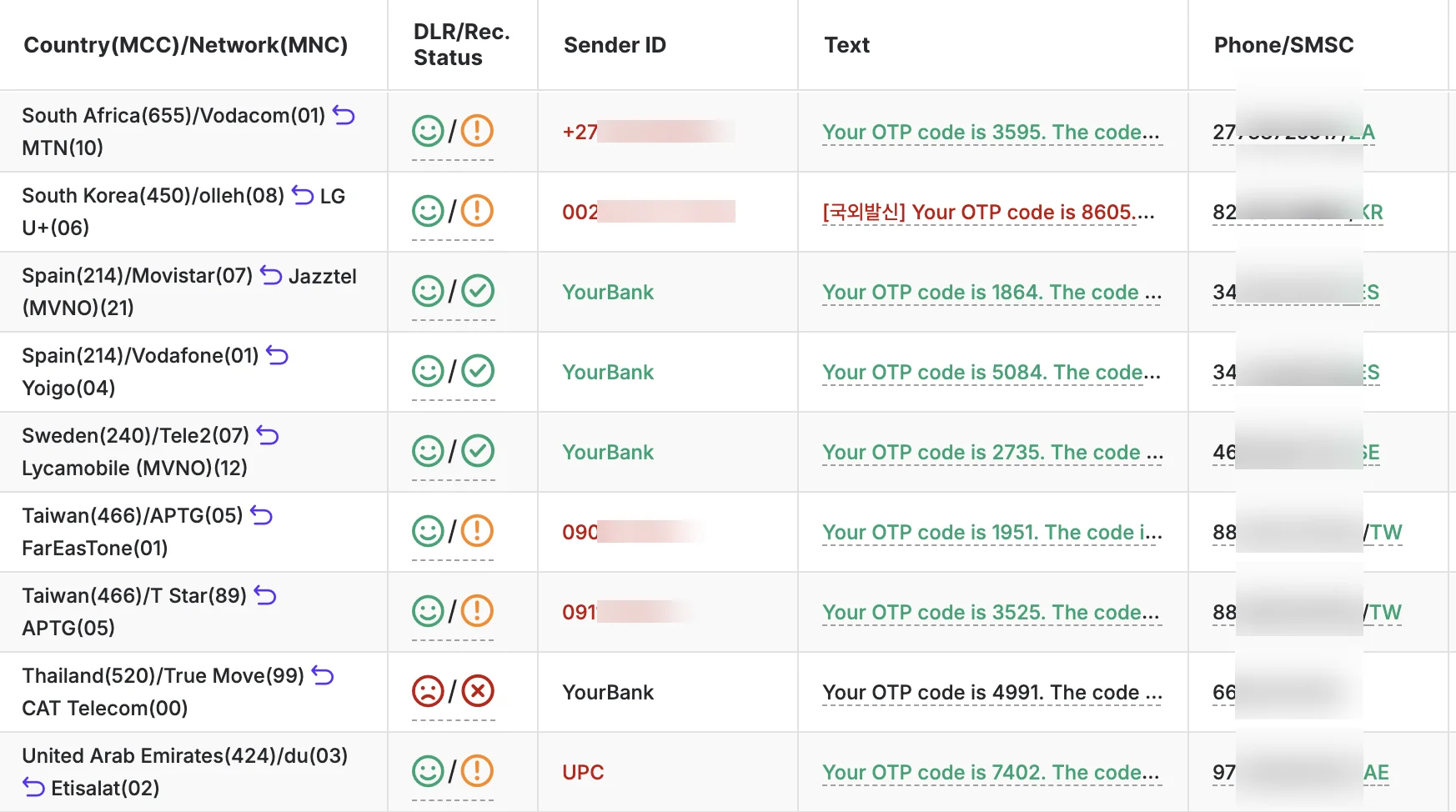
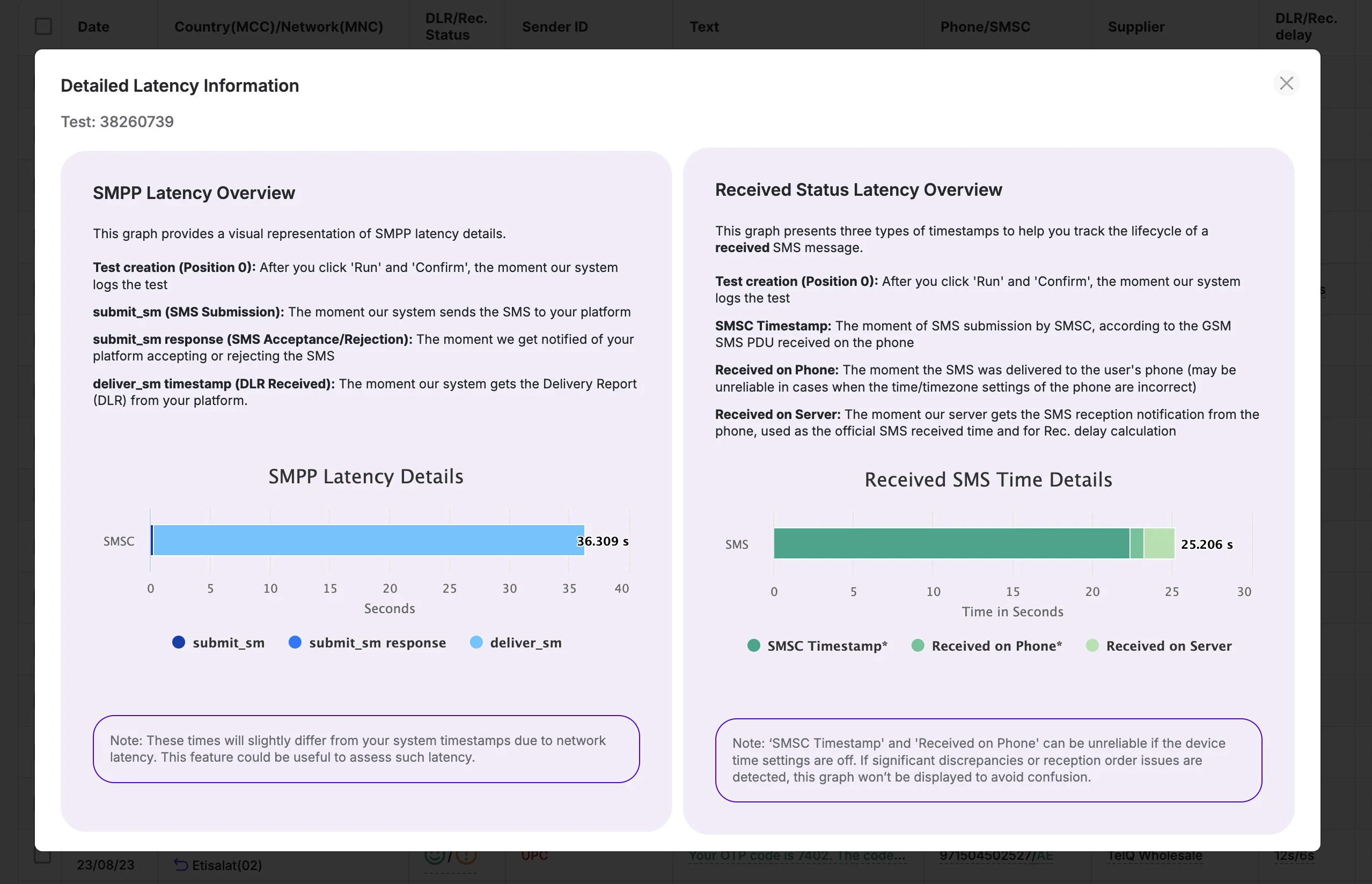
Delivery confirmation from the handset, not the DLR. Did the message actually arrive at the device? This is the binary question your vendor's reports can't answer independently.
Then there's latency: how many seconds between send and handset receipt? For OTPs with a 60-second or 120-second expiry window, a 45-second delivery delay turns a working code into an expired one. In June 2024, a major US carrier incident delayed Twilio messages by up to 31 minutes over a 2.5-hour window — every OTP with a short validity window expired before arrival, while the vendor's delivery reports still showed success. Latency varies by carrier, by country, and by time of day.
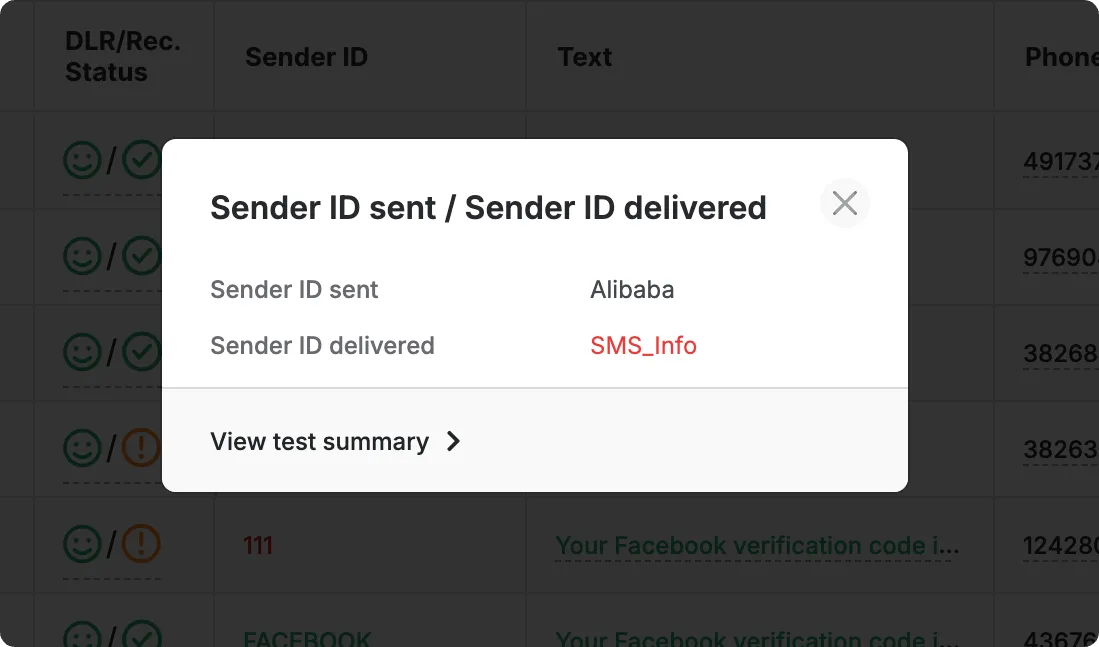
Sender ID matters too. Did the recipient see your brand name, or a random number? Sender ID rules differ by country. Some markets require pre-registration; others strip international sender IDs entirely. Your checkout UX depends on the customer recognizing who the message is from.
Content integrity. Did the message arrive with the exact text you sent, or was it modified? Content filtering, encoding issues, and route-level modifications can alter OTP messages in transit. A modified message might display garbled characters where the code should be, or truncate the message so the code is missing entirely.
Each of these translates directly to a conversion metric. Delivery failure means the customer never got the code. High latency means the code expired before they could use it. A wrong sender ID means they didn't trust the message. Modified content means the code didn't work. Your vendor reports on the first one (incompletely). The other three are invisible without handset-level verification.
If you're running OTP traffic across multiple countries and want to verify what your customers actually receive, test your OTP routes with TelQ.
Common questions about OTP SMS delivery testing
Why can't I just test OTP delivery by sending messages to my own phone?
Sending a test to your own device verifies delivery on one carrier in one country. OTP delivery varies by destination carrier, local filtering rules, sender ID regulations, and route configuration. A message that arrives in 3 seconds on T-Mobile in the US might take 50 seconds on Airtel in India or get blocked entirely by a carrier in Indonesia. Testing on your own phone gives you one data point; testing across destination markets gives you the picture your customers actually experience.
What is a fake DLR and how does it affect OTP delivery?
A fake DLR is a delivery report claiming a message was successfully delivered when the recipient's handset never received it. Vendors sometimes generate success confirmations without actual delivery, inflating reported delivery rates. For OTP traffic, a fake DLR means your system believes the code was sent successfully while the customer waits for a message that will never arrive. Detection requires comparing the vendor's report against actual receipt on a real handset in the destination network.
How often should I test OTP delivery in each country?
Routes change without notice. Carriers update filtering rules, vendors switch underlying suppliers, and seasonal traffic patterns affect throughput. For markets critical to your business, scheduled testing at regular intervals (daily or more frequent for high-volume OTP routes) catches degradation before it affects conversion rates. One-time tests confirm current state but miss changes that happen between tests.
Does TelQ send OTP messages on my behalf?
No. TelQ is a testing platform, not a messaging provider. You send test messages through your existing OTP infrastructure (your CPaaS provider, your SMS vendor) to TelQ's test numbers. TelQ's handsets record what arrived and compare it against what your vendor reported. The test travels through the same route your real customers use, which is what makes the result meaningful.
What's the difference between SMS testing and OTP-specific testing?
The testing mechanism is the same: send a message through your production route to a real handset and verify what arrived. What differs is what you measure and why. OTP testing emphasizes latency (codes expire), delivery confirmation (no code means no login), and content integrity (modified codes don't work). General SMS testing covers additional concerns like sender ID branding and content filtering for marketing traffic. Both use the same real-handset verification approach.